
Our Story
With low blood sugar and jaundice Sebastian narrowly avoided a stay in the NICU. Sometimes I wonder what would have happened if he had ended up there. Would we have caught things sooner? Would he have received the supports he needed earlier?
Sebastian's delivery was the easiest of our three boys. Then the pendulum swung. Once we were home I noticed that every time Sebastian nursed he spilled an unbelievable amount of milk. It almost seemed like he couldn't swallow. When he struggled to regain his birth weight we met with a lactation consultant, who quickly sent us to neurology. At just 17 days old Sebastian's neurological exam was reassuring and everyone believed he simply needed time to grow. Two months and an exhausting number of hours of bottle feeding later he finally reached an acceptable weight. But as the weight problem improved, suddenly other concerns leapt into focus.
He wasn't making eye contact or visually tracking objects. Sebastian rarely smiled and struggled to hold up his head or bring his hands to his mouth. Crying was almost constant (though Irish pub music did seemingly soothe him). My mental gymnastics were Olympic level. Neurology had cleared him...right? Babies develop at different rates. Maybe everything was delayed because he had struggled to gain weight. Maybe he just needed more time.
Or maybe something more serious was going on.
At four months old Sebastian and began physical therapy and was referred to pediatric ophthalmology. Therapy was frustrating and seemingly futile because it was nearly impossible to capture his visual attention - he didn’t respond his therapist’s methods. His ophthalmologist told us that his eyes appeared structurally healthy but still recommended an MRI. I wish I had asked more questions then. At the time I had no idea that neurological vision problems existed. Sebastian was so little and the thought of sedation terrified me. I scheduled the MRI several months away in hopes things would normalize before it was needed. But as the weeks passed and his delays became more noticeable I found myself wishing I had scheduled it sooner.
Then one morning I woke at 4AM to Sebastian having his first seizure. The day continued with an ambulance ride to Cincinnati Children’s hospital, more doctors and nurses than I could possibly count, a CT scan, an MRI, and procedures I barely remember. It ended with Sebastian’s unofficial cerebral palsy diagnosis. After months of concerning developmental delays we were starting to get answers. But because my pregnancy, labor, and delivery were uncomplicated we didn’t know what caused his CP. Neurology recommended genetic testing but cautioned there was only about a 35% chance we’d find an answer.
The next few weeks we spent searching for answers. Jake found YouTube videos with fewer than 150 views that helped us start to understand cerebral palsy. One of those videos led him to discovering Cerebral Visual Impairment, which answered so many of our questions about Sebastian’s vision. Books like The Boy Who Could Run But Not Walk came onto our radar and into our Amazon cart. We were desperate and scared. A family friend pointed us towards the Perlman Center at Cincinnati Children’s, a center we are incredibly grateful to be part of. Our first sigh of relief came after Sebastian’s “Baby Stars” evaluation there. He “saw” a yellow slinky and it was the first unmistakable moment we knew his brain could learn to use vision. I left with hope.
A week later our world flipped again after a call from the genetics team. We learned Sebastian’s medical complexities all stem from a mutation in the IMPDH2 gene. This is a “de novo” change meaning meaning the genetic change happened spontaneously and was not inherited from either of Jake or I. At the time we were told there were six other cases worldwide. There is no treatment. We can treat the issues it causes - dystonia, global developmental delays, seizure, etc - but not the root cause. This was a monster size pill for us to swallow. Naturally I soon googled IMPDH2 and found an article about another little boy named Killian. Through his story I connected with his mom, Jenny, who welcomed us into a small Facebook community of families living with IMPDH2-related disorders.
Life continued the next few months. We saw progress from his therapies at the Perlman Center. He started to reach some physical milestones and we learned to celebrate “inchstones”. Medication helped his dystonia, which in turn relieved a significant amount of digestion pain he experienced. He experienced another febrile seizure, then several months of frightening episodes of central apnea that, along with two unprovoked seizures, eventually led to a diagnosis of epilepsy. Those months of central apnea episodes were, without a doubt, the worst months of my life. We experienced firsthand the importance of trusting your parental instincts and to keep pushing when something doesn't seem right. Fortunately these apnea episodes seem to be controlled with seizure medication.
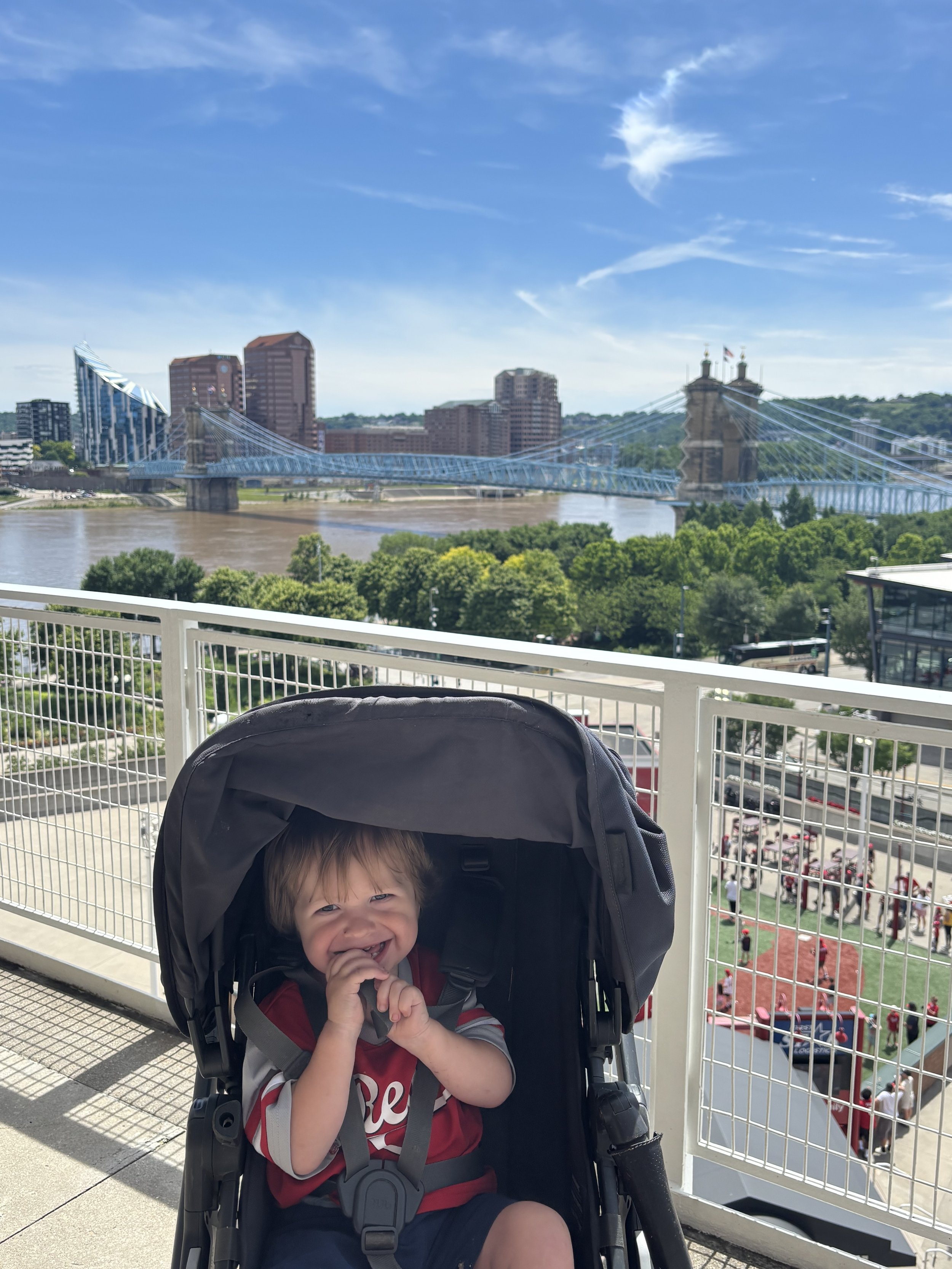
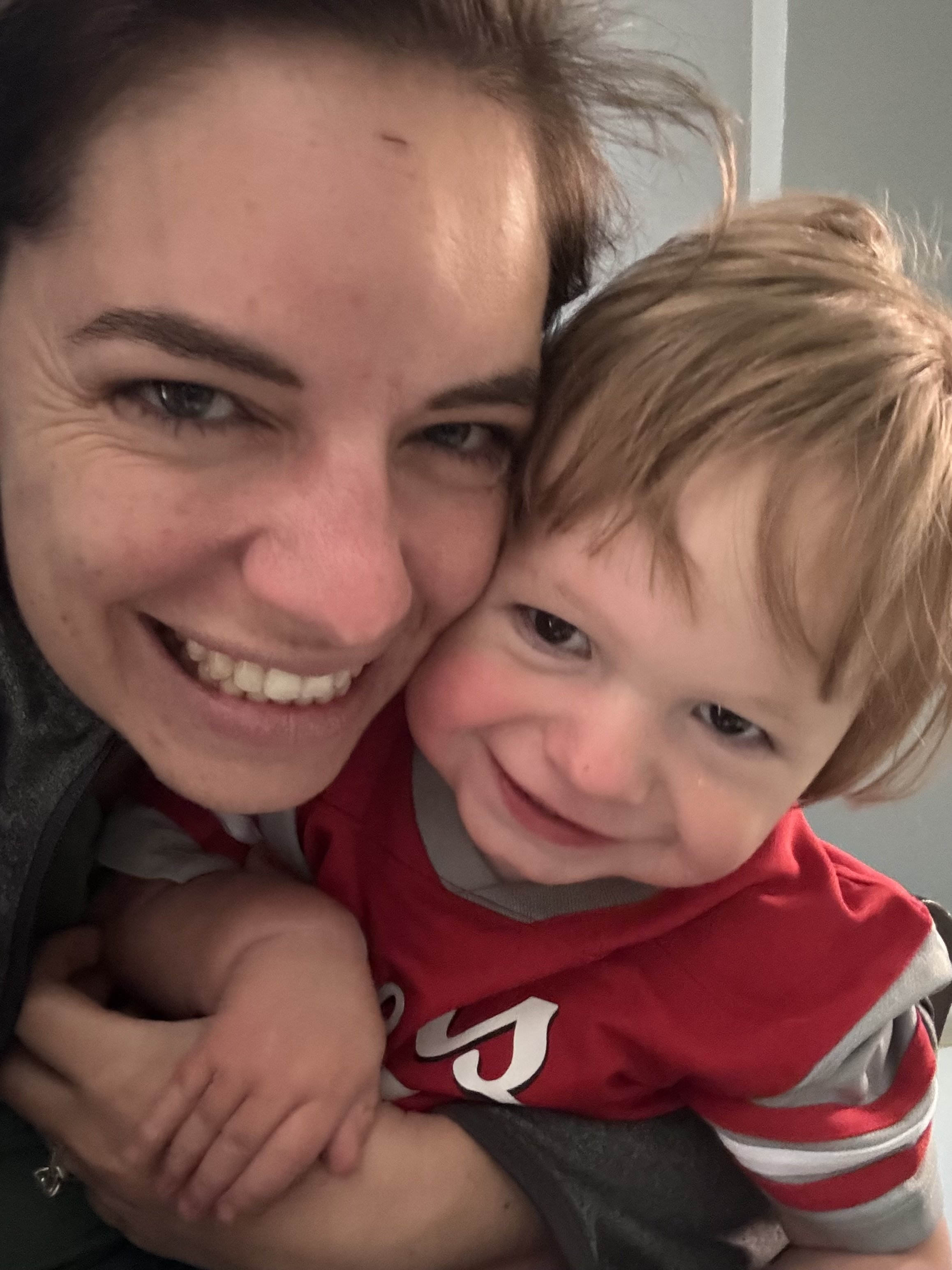
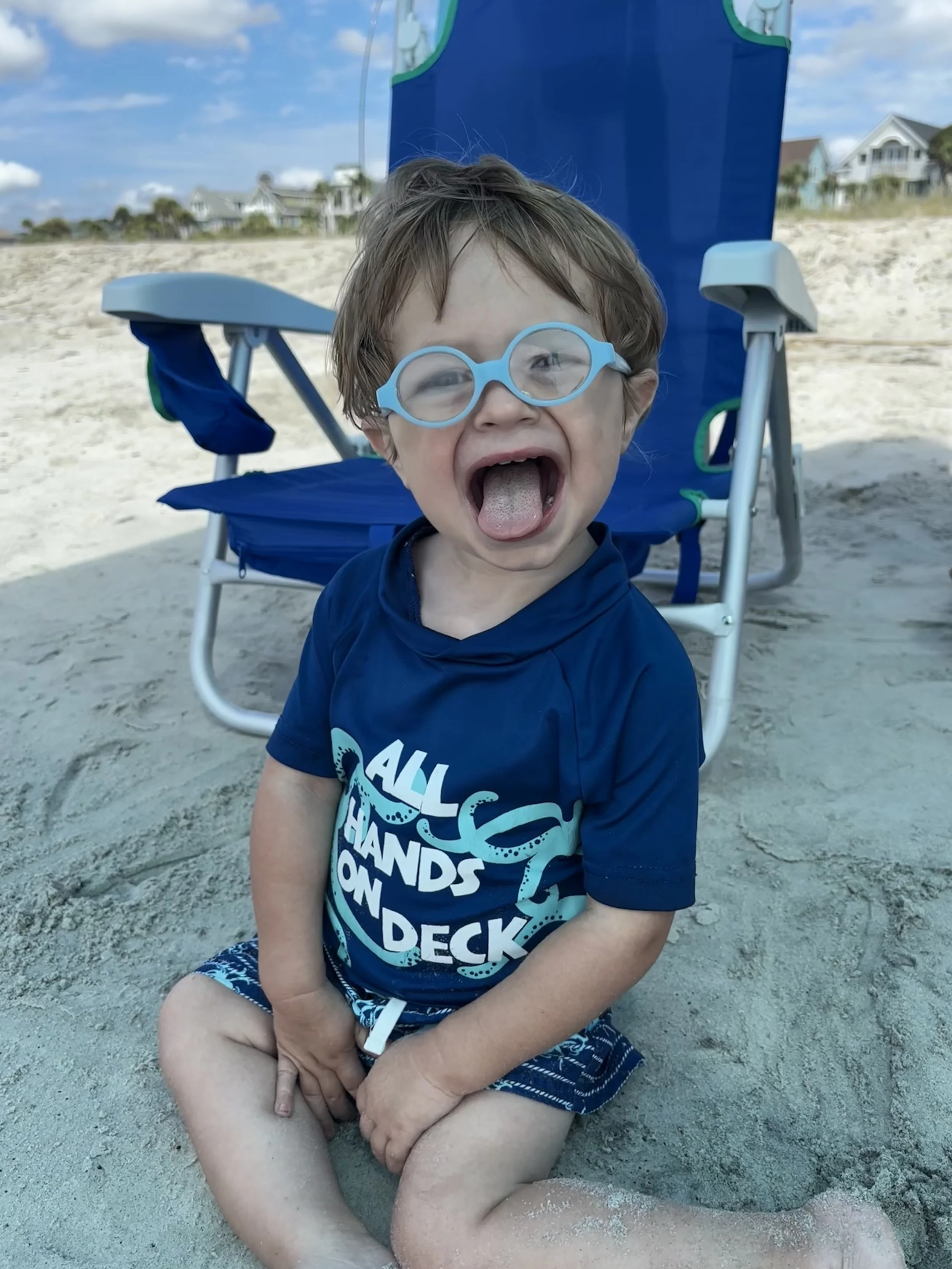
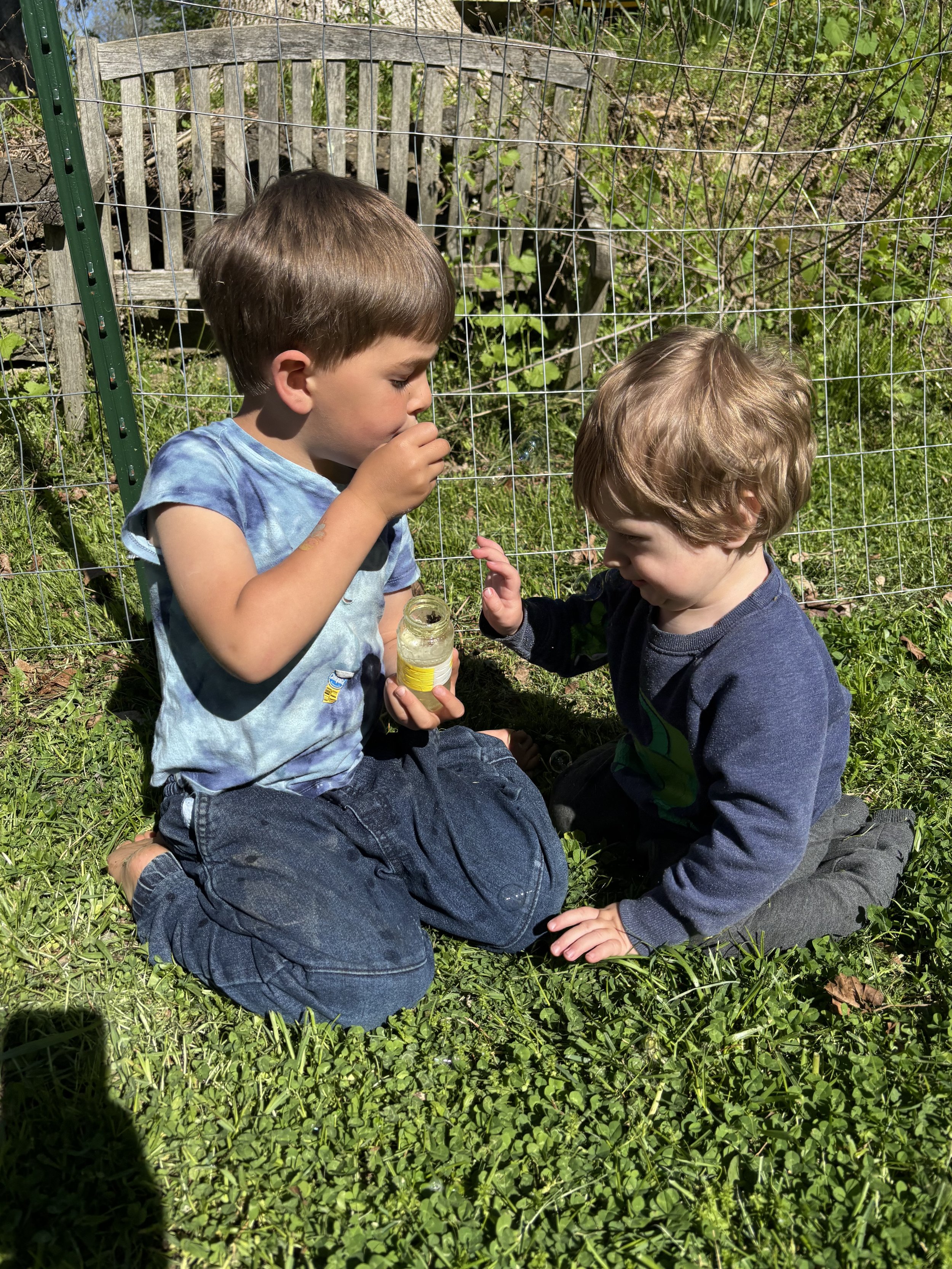
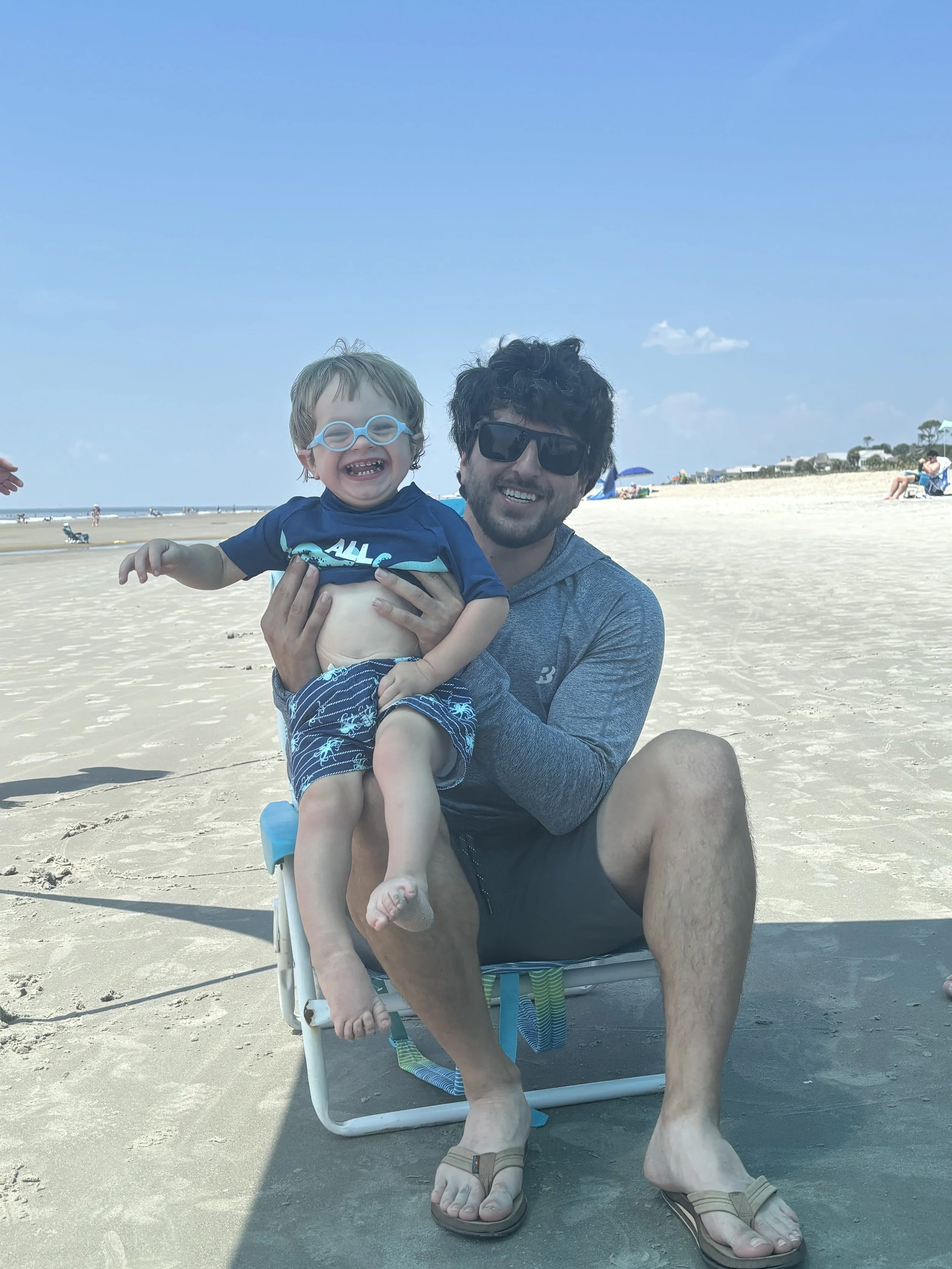
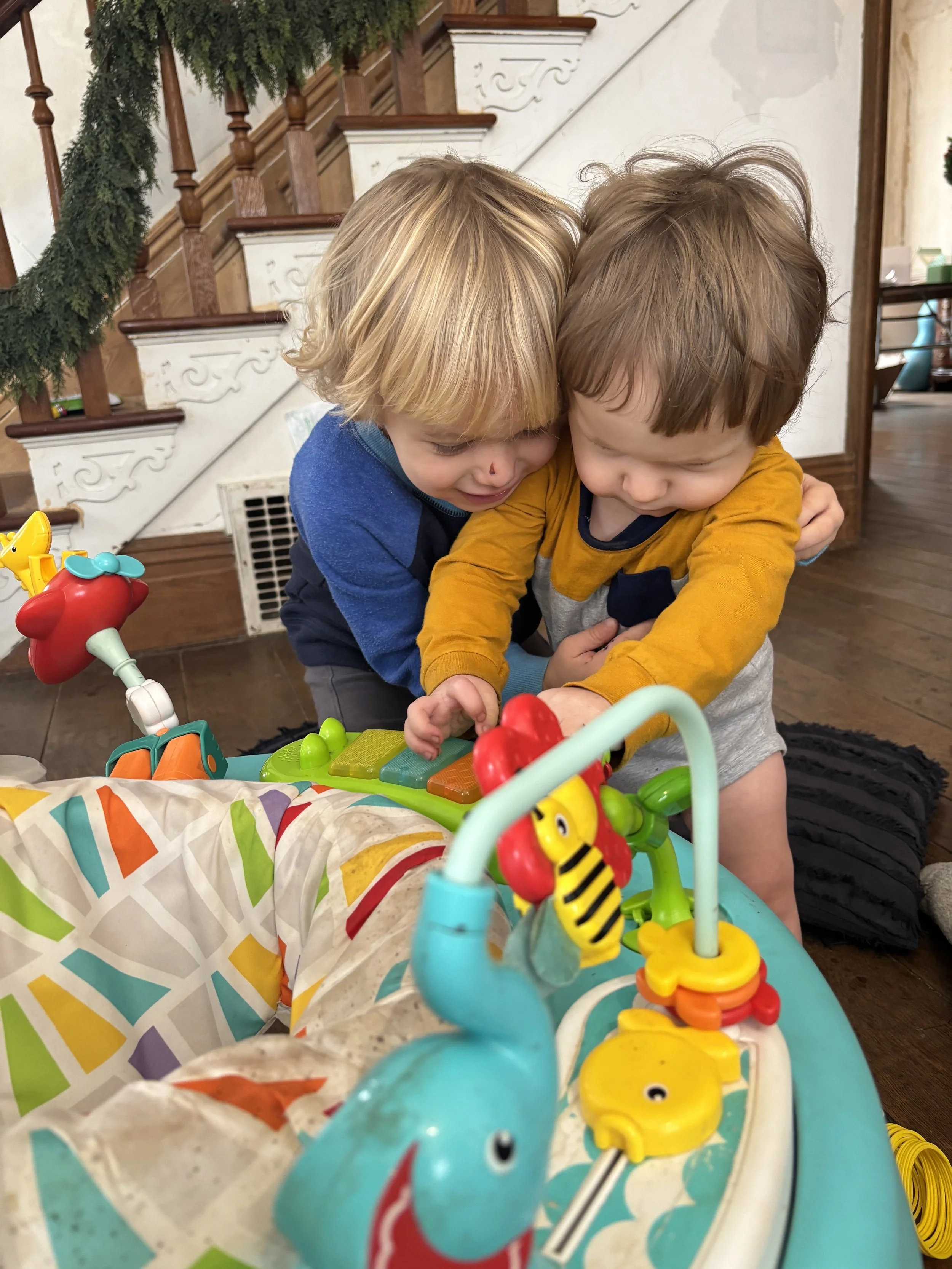
Today Sebastian is an energetic and joyful two year old. He gives the very best full-body hugs. He adores his brothers and wants to be wherever they are. While he isn't walking independently yet, he finds plenty of ways to get where he wants to go. Every week brings new inchstones. There are many unknowns and the future can feel overwhelming. We are grateful for the support of his therapists, medical team, our family and friends, our Catholic faith, and the IMPDH2 and rare disease community. There is hope for continued medical progress.
We created this website because we remember what it felt like in those early days, trying to make sense of limited information. If someone you love has an IMPDH2 genetic variant, we hope you'll reach out. Every family who joins this community helps all of us better understand this condition.
-Mary, Sebastian’s Mom