
Caregiver Support
One of the hardest parts of receiving a rare diagnosis is not knowing where to start. There’s no roadmap and the learning curve is incredibly steep. As we started diving into resources we learned that many of the best ones didn't come exclusively from the IMPDH2 community. They came from parents of other rare conditions, podcasts, nonprofits, blogs, and books. We are grateful for those who generously shared what they have learned. This page is a collection of the resources we found helpful.
The IMPDH2 Community can be found in this Facebook Group.
Parenting a Medically Complex/Genetically Rare Kid
Podcasts
Listening to other parents share their experiences is a powerful reminder that you're not alone. Many podcast episodes offer practical advice, encouragement, and perspectives from families also walking this path. It's worth browsing through past episodes to find topics that meet your current interests or concerns.
Books
These books offer practical guidance, encouragement, and perspective as you learn to navigate appointments, therapies, advocacy, and the many emotions that come with raising a child with complex medical needs. They may be available through your local library system.
How to Handle More Than You Can Handle: Caring for Yourself While Raising a Disabled Child by Amanda Griffith-Atkins
Everything No One Tells You About Parenting a Disabled Child: Your Guide to the Essential Systems, Services, and Supports by Kelley Coleman
Documentaries
“The Zebra and the Bear” is an emotional and impactful story of one mother’s journey to save her daughter from her degenerative ultra-rare disease. It was filmed over seven years and is a remarkable look at the long, complex process of creating gene therapies. Be advised that this documentary does discuss child loss and may be challenging to watch.
Benefits
There are many federal and state programs available for medically complex kids. They exist to help families access resources, but understanding what is available, who qualifies, and how to apply can be complicated. Our experience is with Ohio’s programs.
Help Me Grow is Ohio’s tax payer funded early intervention program that supports children with developmental delays from birth through age three. Eligible children can receive services such as physical therapy, occupational therapy, speech therapy, and other developmental supports in the home or community setting.
Another program our family has utilized is Family Support Services of Southwestern Ohio. Because we live in a qualifying county we have access to funds that can help with items and services that support Sebastian at home, including certain equipment, therapies, and other needs.
Families often work with their early intervention providers, therapists, or other members of their child's care team when applying for these types of programs.
For many children with complex medical needs, Medicaid can provide access to important supports and services. This may be true even when parents work and have private health insurance, as Medicaid can sometimes help cover services or equipment that traditional insurance does not.
Every state's Medicaid system is different, and the application process can feel difficult to navigate. Family Financial Advocates through Cincinnati Children’s Hospital have helped us with this process and we recommend you see if is an option with your hospital network.
An ABLE account is a savings account designed specifically for individuals with disabilities. Money saved in an ABLE account may not count toward certain asset limits for some needs-based government benefit programs, allowing families to save for disability-related expenses while protecting eligibility for certain supports.
We are planning to open an ABLE account for Sebastian and will continue updating this section as we learn from our own experience.
Grants may also be available that fit your needs. Advocate Abby on Instagram created a free database that may be helpful to peruse.
Catholic Faith
I’m grateful my faith doesn’t whitewash suffering. It does not ask me to pretend that difficult things are easy or that painful moments do not hurt.
I’ve spent hours in adoration chapels wrestling with every question, concern, anxiety, and fear you can imagine. If anything, I recommend finding a chapel near you to sit in the quiet presence of God and allow yourself the time to slow down and the space to process everything you are carrying.
The Surrender Novena and praying the rosary help. Additionally the “Every Knee Shall Bow” Podcast has a five episode series on suffering that I found helpful to listen to. These episodes played Jan 29, 2025 through February 26, 2025.
Facebook Groups
We highly recommend that you search for any associated conditions (cerebral palsy, cerebral/cortical visual impairment, etc) on Facebook to connect with those communities. They are a wealth of knowledge of the lived experience of caring for someone with a specific condition. It also can be helpful to look for any associated condition or general disability groups local to your regional area for advice or opportunities within your city or state.
Resources for Cerebral Palsy
Podcasts:
Research Works - This podcast is by therapists for therapists and primarily reviews new research papers about therapy options. I have found it very helpful understanding and navigating the physical therapy landscape - it’s absolutely informed where we spend our time and money.
Therabytes - This podcast, run by one of the Research Works therapists, is geared specifically towards parents.
Books:
The Boy Who Could Run But Not Walk: Understanding Neuroplasticity in the Child’s Brain by Karen Pape
Kids Beyond Limits: The Anat Baniel Method for Awakening the Brain and Transforming the Life of Your Child With Special Needs by Anat Baniel
Resources for Epilepsy
As we discussed in our epilepsy section, a seizure diagnosis can bring many fears and uncertainties. Many medical support groups naturally contain stories from families navigating the most difficult moments of their journey. This is especially true when it comes to seizure. I personally joined several epilepsy groups after Sebastian's diagnosis and quickly realized I needed to set boundaries for my own well-being. I adjusted my Facebook settings so posts did not regularly appear in my feed, and I use these groups more intentionally when I have a specific question or need information.
The Danny Did Foundation - This organization’s goal is to help raise awareness of the complications of epilepsy (like SUDEP, or Sudden Unexpected Death in Epilepsy) and encourage medical professionals to inform patients and parents of these risks. They also have information about devices they recommend to help monitor epilepsy. Grants are available.
Website: https://www.dannydid.org/
One tool that was helpful for our family was an Owlet Dream Sock that tracks oxygen levels and pulse rate. While it is FDA-cleared as a sleep monitoring device—not as a medical pulse oximeter—we found it useful as an additional source of information when we were concerned about possible oxygen desaturation events. In our experience the monitor consistently alerted us during episodes when we visually observed Sebastian experiencing central apnea. Having that information helped us bring specific concerns and patterns to his medical providers.
Resources for Cerebral/Cortical Visual Impairment
CVI was the first diagnosis where we felt like we had a clear way to immediately support Sebastian.
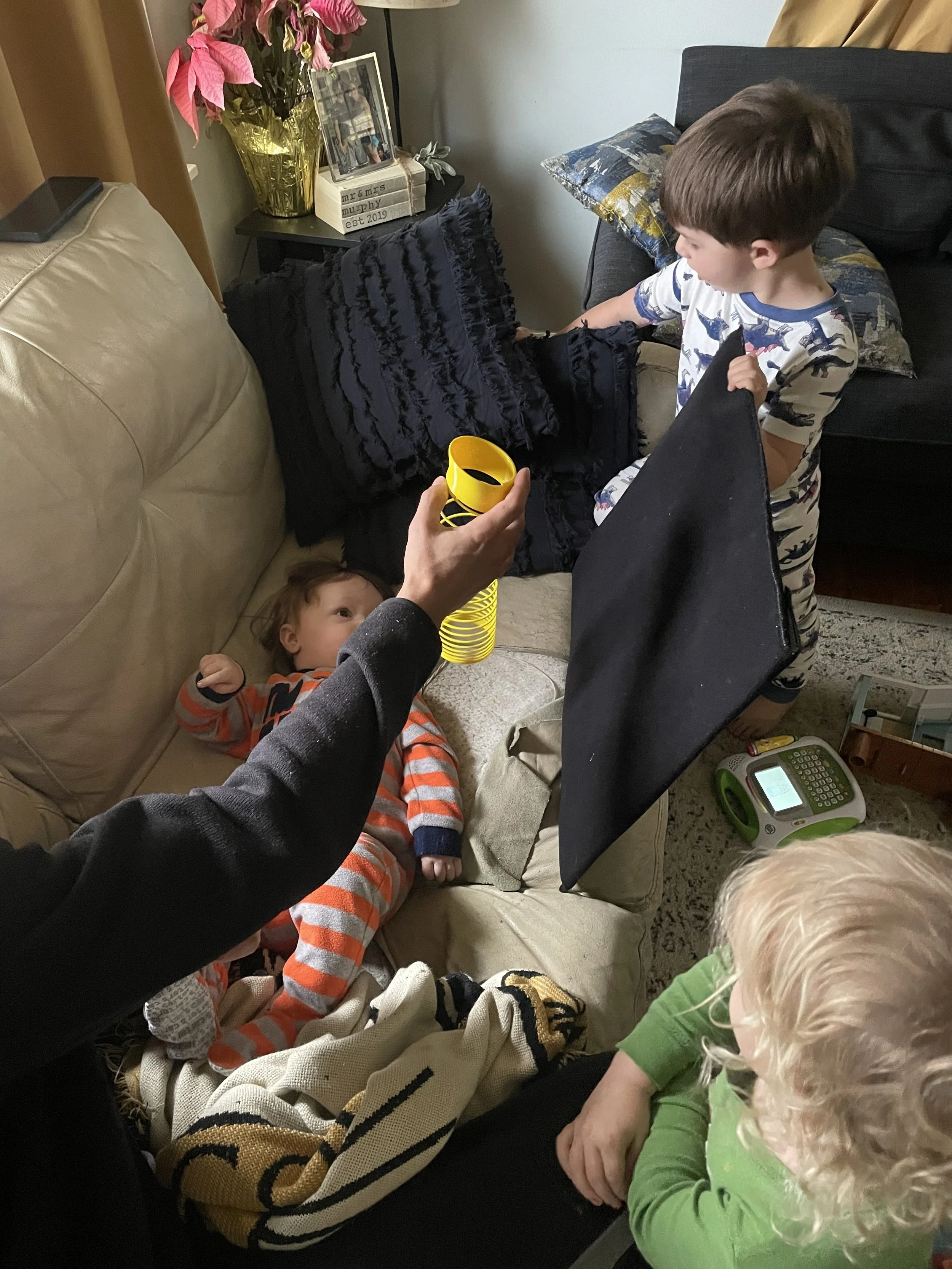
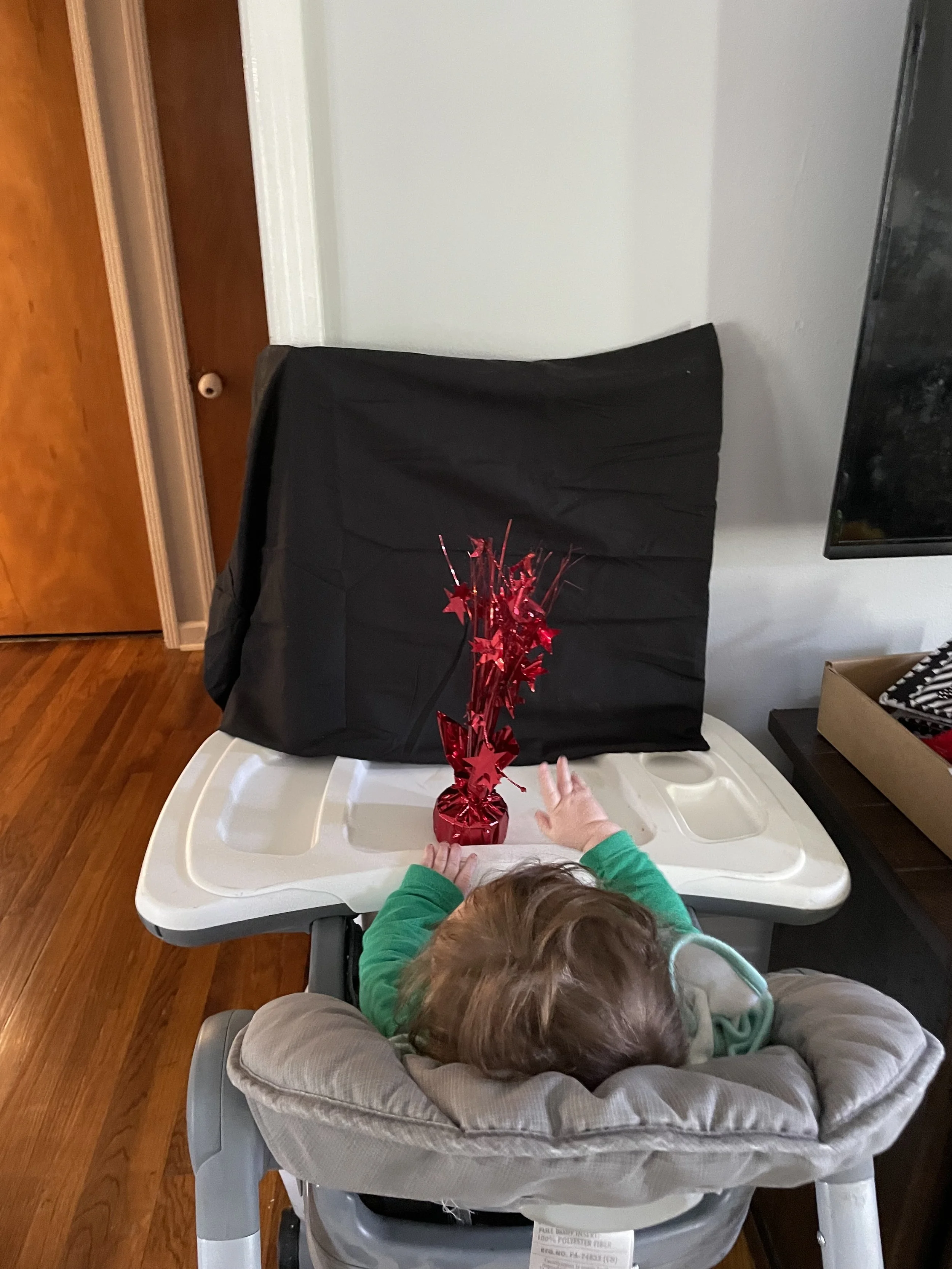
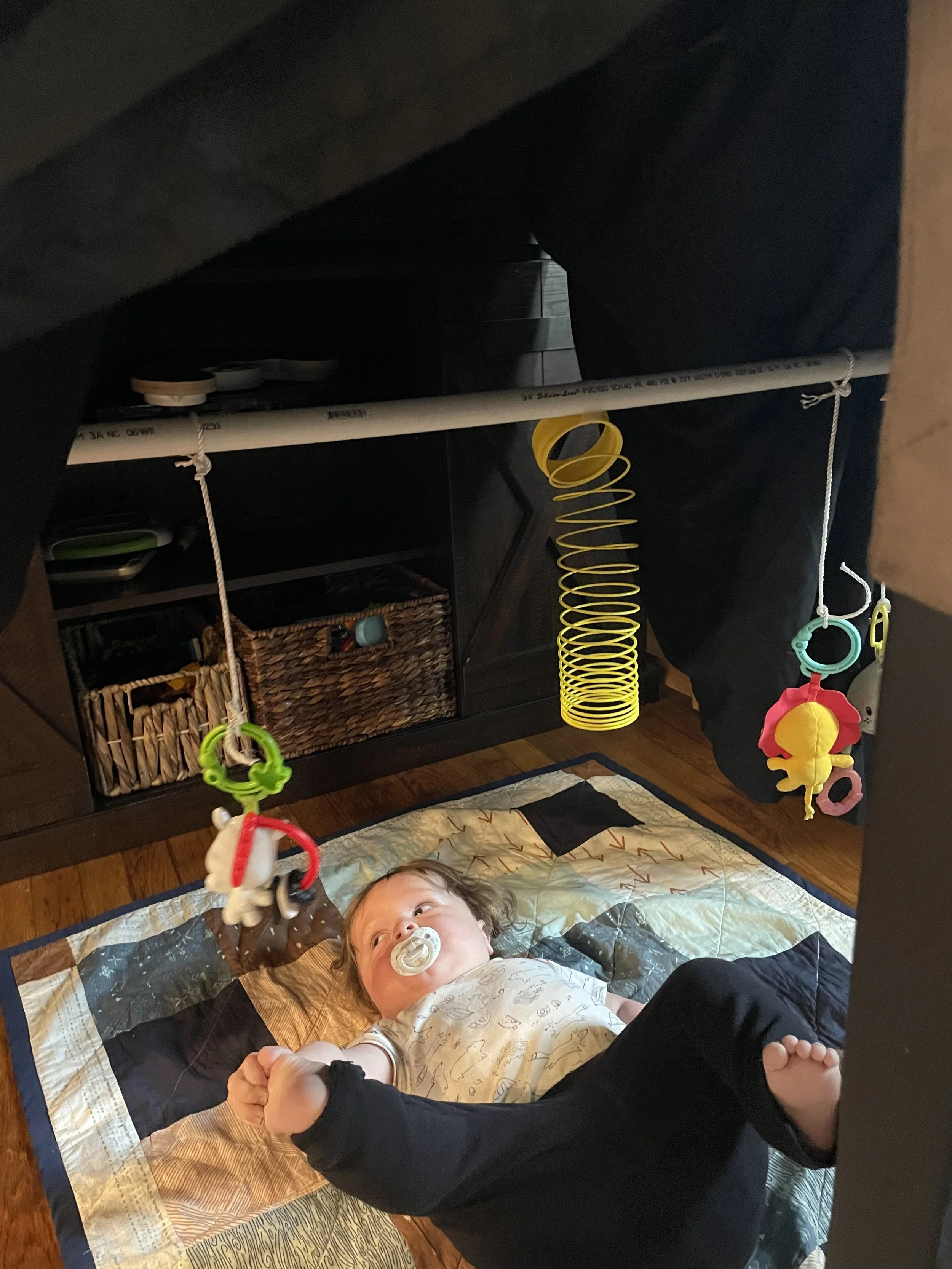
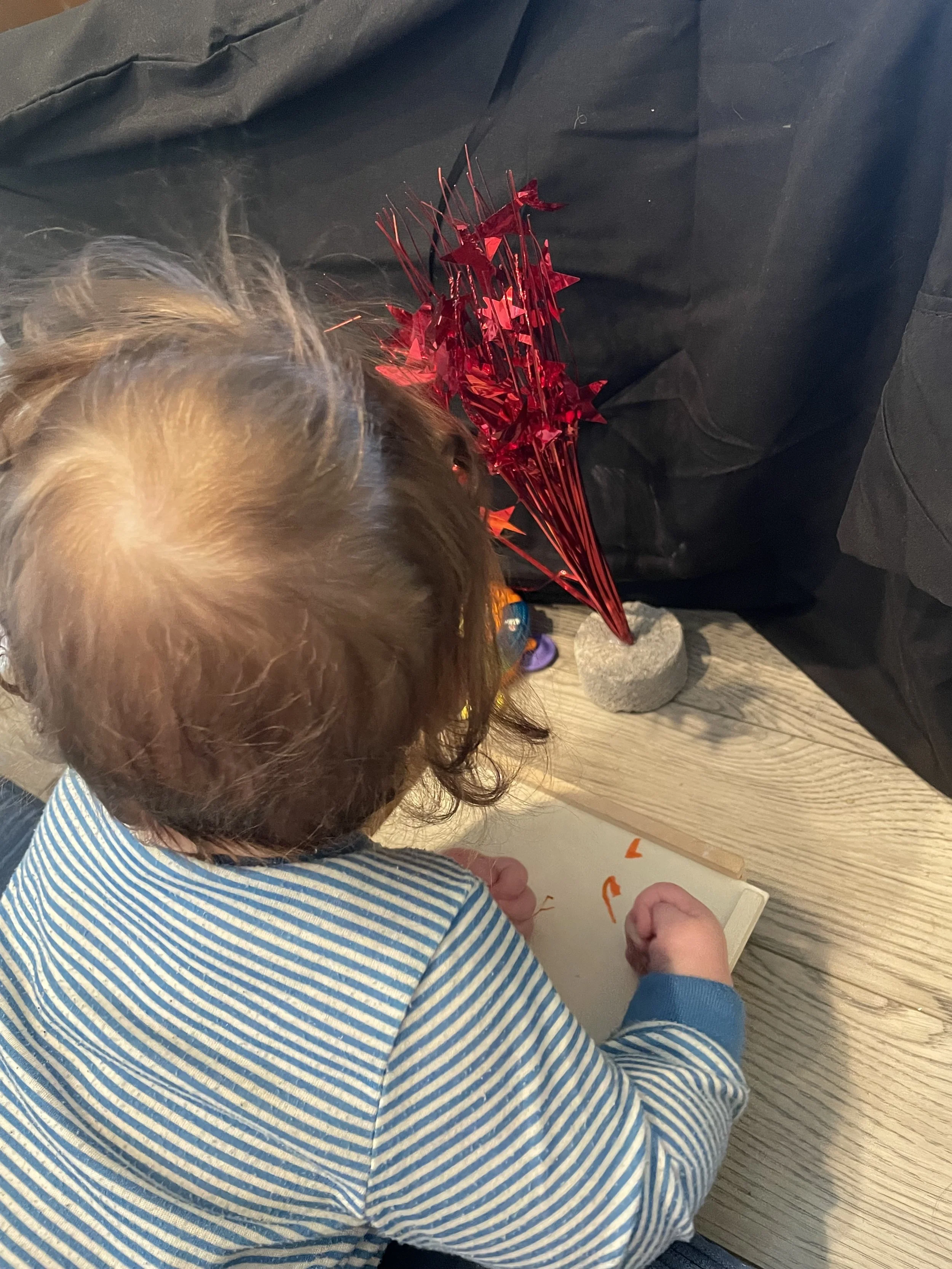
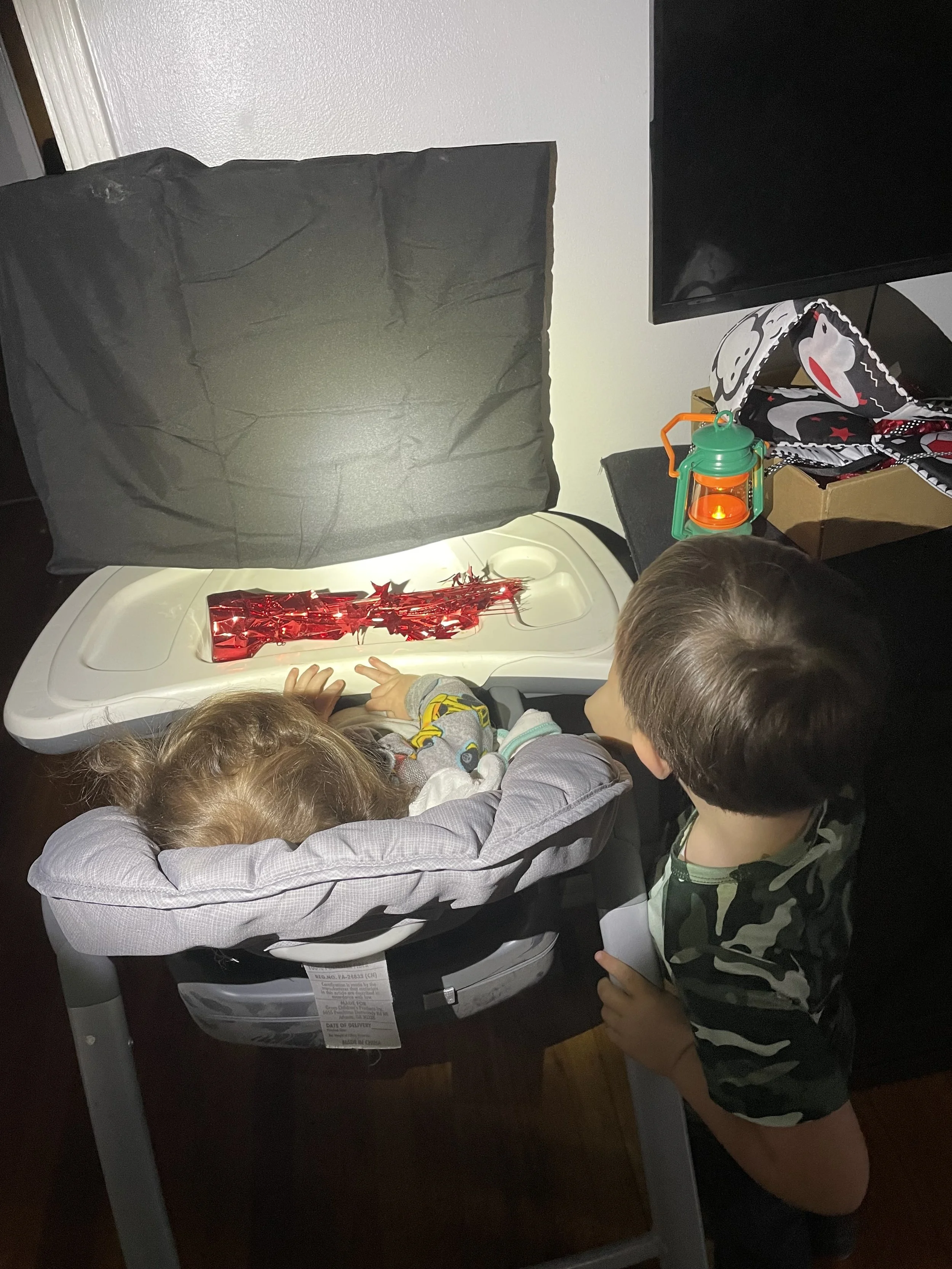
The CVI Journey blog and Instagram account were incredibly helpful as we learned how to help Sebastian's brain make sense of visual information. It gave us practical strategies we could start using right away. For Sebastian, bright colors were especially motivating. Sunshine yellow and fire truck red were the easiest for him to notice. Because lights also caught his attention we learned how to use that interest to encourage visual engagement. We would simplify his environment by blocking out distractions, place bright or reflective objects in front of him, and use a flashlight to help direct his attention toward the object. We also slowly guided his hand toward the item to help him understand that it was something he could reach for. Many of the items we used were inexpensive and could be found at the dollar store. Black backgrounds were especially helpful for reducing visual distractions, and simple black sheets made easy backdrops.
One of the biggest things we learned is that CVI starts with vision but affects so much more. For Sebastian, CVI has contributed to sensory challenges and feeling overwhelmed by his environment. The CVI Now blog has been especially helpful in understanding some of the less obvious ways CVI can impact daily life, including the effects of temperature, visual fields, and other environmental factors.
CVI can feel overwhelming at first, but learning how your child's brain processes the world can open up so many opportunities to help them participate, communicate, and grow. You can see some pictures of our early strategies below.
Websites/Blogs:
https://www.perkins.org/cvi-now/
Books:
Little Bear Sees: How Children with Cortical Visual Impairment Can Learn to See by Aubri Tallent
-
![Baby in orange striped footie pajamas lays on couch and looks at black board. Long arm holds yellow slinky in field of vision, backdropped by the black board]()
Slow Moving Yellow Slinky
-
![Baby sits in high chair facing a wall. There is a black board in front of him with a shiny red table decoration.]()
Red Table Decoration - and Starting to Reach!!
-
![Baby lays on square pattern quilt. Above him hangs various baby toys.]()
Hanging Toys to Encourage Reaching
-
![Baby doing tummy time while looking at a shiny red table decoration set against a black sheet.]()
Red Table Decoration and Working on Holding Up Head
-
![A baby sits in a high chair facing the wall. The wall has a black sheet on it. On the tray is a shiny red table decoration. Another boy stands next to high chair with toy lantern.]()
Shining Flashlight on Table Decorator. Big brother helping by adding a toy lantern for more light.